
The sanctuary of a home is only as strong as the maintenance strategy supporting it. For many homeowners, the residence is not just a place of rest, but the most significant financial asset they will ever own. However, a house is a complex ecosystem of mechanical systems, structural components, and protective barriers that are constantly under siege from the elements, time, and daily wear. Neglecting the small signs of aging can lead to a domino effect of system failures that compromise both the safety of the occupants and the value of the property.
An annual maintenance plan is the difference between a home that appreciates in value and one that becomes a liability. By taking a proactive approach, you transition away from the “fix it when it breaks” mentality—which is almost always more expensive and stressful—and move toward a preventative lifestyle. This guide provides a deep, comprehensive look at the essential tasks required to keep your home running efficiently, ensuring that every corner of your living space remains a healthy, secure environment for years to come.
Strengthening the Primary Exterior Shield
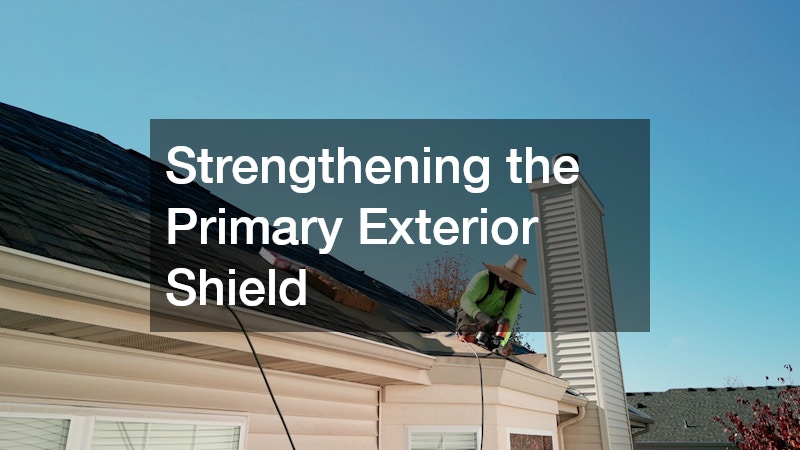
The exterior of your home is the first line of defense against wind, rain, and temperature fluctuations. When the exterior envelope is compromised, the interior is immediately at risk for water damage and energy loss. Maintaining these entry points and surfaces is a fundamental requirement of responsible homeownership.
- Securing Entry Points: Every door in your home serves a dual purpose: security and insulation. Over a year, houses shift and settle, which can cause frames to warp or hinges to loosen. Inspecting the weatherstripping around your front and back entrances is a simple way to prevent energy loss. If you notice that a door sticks or no longer locks smoothly, it might be time to schedule a professional door repair to ensure the structural integrity of the frame and the safety of your locking mechanisms.
- Checking Foundation Perimeters: Walk around the base of your home to look for hairline cracks or signs of soil erosion. Ensure that the ground slopes away from the foundation to prevent water from pooling near the basement walls.
The most critical component of your exterior shield is undoubtedly the roof. It bears the brunt of UV radiation, heavy snow, and torrential rain. A yearly inspection from the ground with binoculars, or safely from a ladder, can reveal missing shingles or damaged flashing around chimneys. If you spot granules in the gutters or daylight peeking through the rafters in the attic, prioritizing roof repairs is essential. Addressing a small leak today prevents the catastrophic expense of replacing rotted plywood decking or interior drywall tomorrow.
Preserving Aesthetics and Surface Longevity
Curb appeal is often discussed in terms of real estate value, but cleanliness is also about preservation. Dirt, algae, and pollution are not just eyesores; they are corrosive agents that can eat away at paint and masonry over time.
- Deep Cleaning Hardscapes: Driveways, sidewalks, and patios accumulate oil stains, moss, and winter salt. Using a pressure washer is one of the most effective ways to blast away these contaminants and restore the friction of your walking surfaces, making them safer during wet weather. However, it is vital to use the correct nozzle pressure to avoid etching the stone or damaging the mortar between bricks.
- Siding Maintenance: Just like your floors, your siding needs a wash. Dust and pollen can build up, creating a film that traps moisture against the house. A gentle cleaning of the exterior walls once a year can extend the life of your paint job by several years.
Natural light plays a massive role in the psychological health of a home’s occupants. However, dirty glass obscures the sun and can even hide cracks in the window pane or failing seals. Regular window cleaning should be part of your spring or fall routine. Beyond the glass, you should also wipe down the tracks and ensure the weep holes are clear of debris. This prevents water from backing up into the wall cavity during heavy storms and keeps the mechanical parts of the window functioning smoothly so you can easily provide fresh air ventilation when needed.
Optimizing Mechanical Systems and Air Quality

The mechanical systems of a home are its internal organs. When they operate efficiently, you barely notice them. When they fail, the home becomes uninhabitable. Annual maintenance of these systems is the best way to ensure consistent comfort and high indoor air quality.
- Thermostat and Filter Management: Change your air filters every 30 to 90 days depending on whether you have pets. This simple act reduces the strain on your blower motor and keeps dust from recirculating through your rooms.
- System Calibrations: As summer approaches, testing your cooling system is vital. A professional ac repair technician can check for refrigerant leaks and clean the evaporator coils, which significantly improves the unit’s ability to dehumidify your home. This prevents the system from “freezing up” during the hottest week of the year when repair companies are at their busiest.
Indoor air quality is also heavily influenced by the presence of hidden moisture. In areas like basements, crawlspaces, or behind washing machines, slow leaks can foster biological growth. If you detect a musty odor or see dark spotting on the drywall, you must act quickly. Engaging in a professional mold cleanup process ensures that spores are not spread through the HVAC system. This is a critical health step, as long-term exposure to certain fungi can lead to chronic respiratory issues and allergies for children and the elderly.
Fluid Dynamics: Water Supply and Waste Management
Water is a homeowner’s greatest friend and worst enemy. Controlled, it provides hygiene and hydration; uncontrolled, it can destroy a home in hours. Managing the transit of water into and out of your house requires consistent vigilance.
- Inspecting Supply Lines: Check the braided steel lines under your sinks and behind your toilets. If you see any signs of corrosion or “greening” on the copper fittings, a proactive plumbing repair can prevent a pipe from bursting while you are away at work or on vacation.
- Water Heater Longevity: Drain a few gallons from your water heater once a year to remove sediment buildup. This allows the heating element to work more efficiently and prevents the bottom of the tank from rusting out.
Waste management is the other half of the equation. Over time, hair, grease, and soap scum create a sludge that narrows the diameter of your pipes. Rather than waiting for a total backup that sends sewage into your bathtub, scheduling a routine drain cleaning can keep your system free-flowing. High-pressure water jetting is a particularly effective way to clear out years of buildup without using the caustic chemicals found in retail stores, which can actually damage older metal pipes over time.
Functional Enhancements and Outdoor Irrigation
A healthy home is one that evolves with your needs. Integrating maintenance with occasional upgrades ensures that your utility costs remain low and your lifestyle remains modern. This applies to both the interior functional spaces and the exterior landscape.
- Modernizing Functional Spaces: The kitchen is the most used room in the house and often the source of significant energy consumption. When planning a kitchen remodel, consider not just the aesthetics of the cabinets, but the efficiency of the plumbing fixtures and the ventilation of the stove. Upgrading to low-flow faucets and energy-star appliances during this process reduces your environmental footprint while increasing the home’s resale value.
- Appliance Maintenance: Even if you aren’t doing a full renovation, vacuum the coils behind your refrigerator and clean the dishwasher filter. These small steps prevent mechanical burnout.
Your outdoor maintenance should also include the systems that keep your greenery alive. An irrigation system that leaks can waste thousands of gallons of water and rot the roots of your foundation plantings. Each spring, you should test every zone of your system. Performing necessary sprinkler repairs, such as replacing cracked heads or fixing a broken line, ensures that water is delivered exactly where it is needed. This prevents the soil around your home from becoming oversaturated, which is a major contributor to basement flooding and foundation shifting.
The Seasonal Maintenance Calendar
To make this 3000-word guide actionable, it helps to break these tasks down into a manageable schedule. Trying to do everything in one weekend is overwhelming, but spreading it across the seasons makes it a natural part of your lifestyle.
Spring: The Awakening
Spring is about recovery from winter and preparation for the heat.
- Check the roof for winter ice dam damage.
- Uncover and test the irrigation system.
- Service the air conditioning system before the first heatwave.
- Deep clean the windows and screens to let in the spring sun.
Summer: Exterior Preservation
When the weather is dry, focus on the “wet” jobs and the exterior surfaces.
- Wash the siding and the deck.
- Inspect the chimney and exterior masonry.
- Trim trees and shrubs away from the house to prevent roof damage and pests.
- Check the attic for proper ventilation to reduce cooling costs.
Fall: Fortification
Fall is the time to seal the house against the coming cold and moisture.
- Clean out the gutters and downspouts.
- Check the seals on all exterior doors.
- Drain and winterize exterior faucets and sprinkler lines.
- Have the furnace or boiler inspected.
Winter: Interior Safety
When you are stuck inside, focus on the systems you can see and the air you breathe.
- Test smoke and carbon monoxide detectors.
- Inspect the basement and crawlspace for any new dampness.
- Clean out the dryer vent to prevent fire hazards.
- Assess the kitchen and bathrooms for any slow leaks or grout failures.
Knowing When to Call a Professional
In the age of endless online tutorials and the widespread availability of instructional videos, the “Do It Yourself” (DIY) movement has gained tremendous popularity, empowering homeowners to tackle various minor projects. However, while this trend can be cost-effective and rewarding, it is crucial to recognize that a safer and healthier home environment often depends on knowing your limitations. Certain tasks within the home require specialized knowledge, tools, and diagnostic equipment that the average homeowner generally does not have.
- Electrical Safety: When it comes to electricity, anything beyond the simple task of changing a light fixture should typically be managed by a licensed electrician. Electrical work is intricate and can be dangerous if not done correctly. Faulty wiring is a leading cause of residential fires, posing a significant risk to both life and property. Therefore, entrusting electrical work to professionals ensures safe and efficient operation.
- Structural Changes: If you are contemplating the removal of a wall or altering the footprint of a room, it is essential to consult with a structural engineer. Structural changes affect the integrity of your home, and only a trained expert can determine how these modifications will impact the overall stability. Consulting professionals helps prevent potential hazards and ensures compliance with safety standards.
- Gas Lines: The handling of gas-powered appliances or gas lines should never be attempted by untrained individuals. The risks associated with gas leaks or carbon monoxide poisoning are too grave to be underestimated. Professionals in this field possess the expertise and tools necessary to manage these tasks safely, significantly reducing the risk of accidents and ensuring compliance with strict safety regulations.
Investing in professional inspections on an annual basis, particularly for critical components such as the roof, HVAC systems, and plumbing, is akin to providing a “health report” for your home. These experts are trained to identify subtle signs of wear and potential failure that might go unnoticed by an untrained eye. By understanding which parts of your home are nearing the end of their lifespan, you can proactively budget and plan for necessary repairs, preventing unexpected and costly bills, and maintaining the smooth operation of your household’s essential functions.
Final Thoughts on Long-Term Stewardship

The effort put into annual maintenance is an investment in your peace of mind. A home that is well-cared-for provides a sense of security that is impossible to quantify. You can sleep better knowing the roof is tight, the air is clean, and the water is flowing exactly where it should.
By following the detailed steps outlined in this guide, you are doing more than just fixing things; you are practicing stewardship. You are ensuring that your home remains a safe, healthy, and vibrant place for you and your family to grow. Maintenance is not a chore to be avoided, but a ritual of protection that pays dividends in comfort, safety, and financial stability for decades to come. Stay diligent, stay proactive, and enjoy the lasting benefits of a truly healthy home.